How a Fascial Gun Improves Blood Circulation and Flexibility
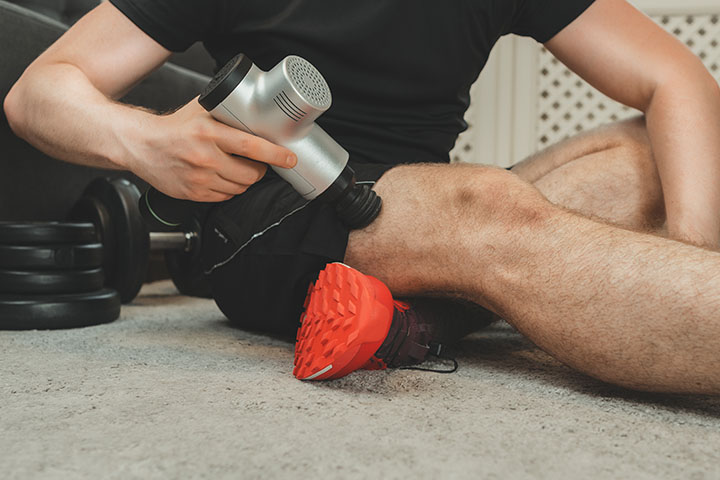
In the modern age of fitness and wellness, recovery tools have become just as important as workouts. Massage guns have gained rapid popularity, helping people manage soreness, improve recovery, and enhance mobility. But beyond pain relief, one of the most significant benefits of using these devices is their impact on blood circulation and flexibility. Understanding how these tools work can help you optimize your body’s performance and reduce the risk of injury.
A fascial gun, often recognized for its rapid percussive movements, applies targeted pressure to muscles and fascia (the connective tissue around muscles). This stimulation helps loosen tight tissue, break up adhesions, and encourage better blood flow through the vessels embedded in those tissues. As a result, oxygen and nutrients are more efficiently delivered throughout the body, and metabolic waste is cleared away more effectively.
Like a fascial gun, the mechanism behind a deep tissue massager revolves around its ability to reach into the deeper layers of muscle and fascia that manual massage may not effectively access. This targeted approach alleviates tension, improves structural muscle knots, and improves tissue elasticity. The result is enhanced circulation and a noticeable improvement in flexibility and range of motion improvement.
The Science Behind Circulation and Flexibility
Blood circulation is the continuous movement of blood throughout the body, powered by the heart and facilitated by the arteries, veins, and capillaries. Good circulation is essential for muscle health, nutrient delivery, temperature regulation, and healing processes. On the other hand, flexibility is the ability of muscles and joints to move through their full range of motion. When circulation is restricted, muscles become stiff, reducing their ability to stretch, contract, and move freely.
Poor posture, prolonged sitting, intense physical activity, and muscle overuse can all lead to tight, restricted tissue. This is where percussive therapy devices come into play. They mimic deep, rhythmic pulses that create pressure waves, triggering the body’s natural circulatory response. This, in turn, warms up the tissue, improves elasticity, and supports muscle function.
Muscle Stimulation and Vascular Response
When percussive pressure is applied to a muscle group, it stimulates the superficial layers and the muscle spindles, sensory receptors responsible for detecting changes in muscle length and tension. The body interprets this stimulus and dilates blood vessels to deliver more oxygen-rich blood to the area.
This process has several positive effects:
Vasodilation: The widening of blood vessels to allow increased blood flow.
Metabolic Waste Removal: Improved lymphatic drainage helps remove lactic acid and toxins.
Oxygen Delivery: Enhanced oxygenation boosts cellular repair and tissue regeneration.
Warmth and Relaxation: As blood circulates more freely, muscles relax, allowing better movement.
Consistent use over time helps keep tissues healthy and responsive, ensuring optimal circulation even during physical stress or inactivity.
Impact on Joint Mobility and Soft Tissue Flexibility
Joints don’t operate in isolation; they rely on the health of surrounding muscles, tendons, and fascia. Tight fascia can restrict muscle movement, resulting in stiffness and pain. Regular massage with percussive devices helps soften and lengthen connective tissue, enabling more fluid and pain-free motion.
With repeated use, these devices can:
- Loosen adhesions and scar tissue that limit range of motion.
- Reduce fascial restrictions that tug on joints and muscles.
- Improve tissue pliability, especially in high-tension areas like hips, shoulders, and hamstrings.
- Support dynamic stretching by preparing muscles for lengthening.
This approach is especially beneficial for athletes, dancers, and anyone engaging in high-agility and range activities.
Pre-Workout Activation and Post-Workout Recovery
Warming up is essential to enhance performance and reduce the risk of injury. Percussive therapy before exercise helps prepare muscles by increasing temperature, improving elasticity, and strengthening neuromuscular response.
Before a workout:
- Applying targeted percussion for 30–60 seconds on each muscle group boosts readiness.
- It stimulates proprioceptors, heightening coordination and balance.
- Muscles are prepped to perform explosive or repetitive movements without strain.
After a workout:
- The technique helps in flushing out metabolic byproducts like lactic acid.
- It accelerates recovery by improving nutrient delivery and minimizing soreness.
- Flexible muscles heal faster and are less likely to form trigger points or stiffness post-exercise.
Thus, the dual use of massage guns before and after activity serves preventive and restorative purposes.
Improved Circulation for Injury Prevention and Healing
Enhanced circulation’s often-overlooked benefits are its role in preventing injuries and supporting the body’s healing processes. Microtears in muscle fibers are a regular part of physical training. A consistent blood supply is necessary to deliver nutrients and remove waste so that they can heal effectively.
Using a massage device helps ensure:
- Faster resolution of inflammation and swelling.
- Maintenance of muscle temperature to prevent cold-related stiffness.
- Prevention of ischemic conditions in overworked muscles.
- Reduction of muscle tension that can pull joints out of alignment.
For individuals recovering from mild strains or rehabilitating after physiotherapy, this mechanical stimulation offers a non-invasive complement to professional care.
Neurological Benefits Supporting Mobility
The nervous system plays a critical role in how our muscles behave. Tight muscles are not just a mechanical issue—the brain and nerves also regulate them. Percussive therapy influences neural receptors, reducing the pain signals and allowing muscles to relax.
Key neurological effects include:
Decreased sympathetic Nervous Activity: Leading to a reduction in stress-related muscle tension.
Enhanced Proprioceptive Feedback: Helping the brain understand joint position improves coordination and balance.
Improved Muscle Recruitment: Helping underactive muscles engage more effectively during movement.
Over time, regular stimulation helps the body retrain movement patterns that may have become compromised due to tightness or poor circulation.
Integrating Percussive Therapy Into a Daily Routine
Adding this therapy to your routine doesn’t require complex planning. Just a few minutes per day can produce long-lasting effects. Some practical ways to integrate it include:
- After waking up, to combat stiffness from sleep.
- During breaks from desk work, maintain circulation.
- Before yoga or stretching sessions, to increase range.
- Post-workout for accelerated muscle recovery.
- As part of a physical therapy regimen under guidance.
Always combine percussive therapy with hydration, proper movement mechanics, and mindful stretching to amplify benefits. Over time, users will notice improved posture, fewer aches, and greater ease in daily activities.